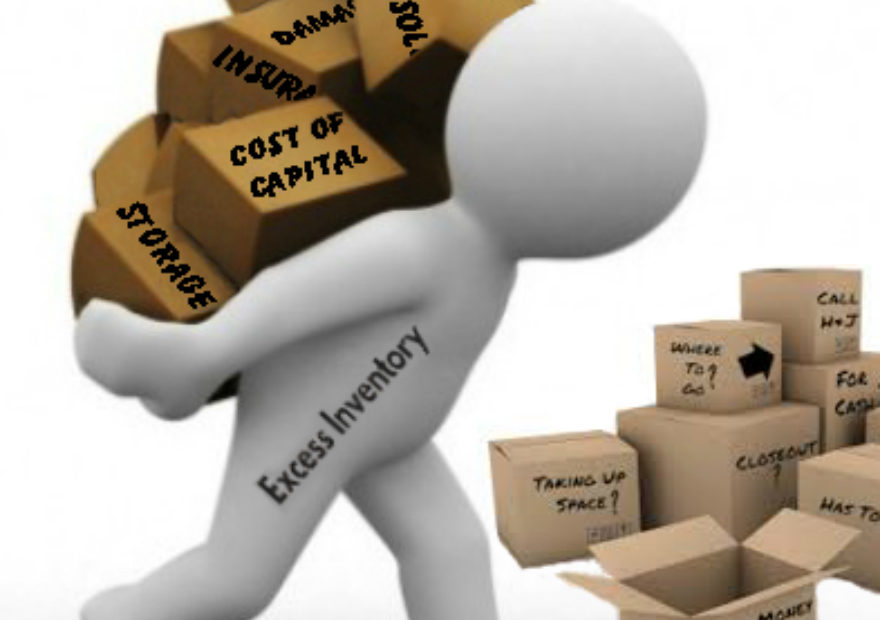
In the fast-paced world of retail and manufacturing, “safety stock” was once considered a security blanket. But as we move through 2026, that blanket has become a lead weight on the corporate balance sheet.
Industry data now points to a sobering reality known as the 35% Rule: a threshold where the total cost of carrying excess inventory—accounting for storage, labor, utilities, and capital—reaches roughly 35% of the inventory’s original value annually. If you are sitting on $1 million in overstock, you aren’t just losing the potential profit; you are actively spending **$350,000 per year** just to let it sit in your warehouse.
Here is why the costs of holding inventory have reached a breaking point in 2026 and what savvy supply chain leaders are doing to mitigate the damage.
1. The Utility Surge: Climate Control is No Longer Cheap
In 2026, warehouse utility costs have spiked due to a combination of volatile energy markets and new sustainability mandates. For businesses holding temperature-sensitive goods or even standard consumer electronics, the cost of maintaining an optimal environment has risen by nearly 12% year-over-year.
Excess inventory occupies “active” space that must be heated, cooled, and lit. When your racks are filled with dead stock, you are effectively subsidizing the climate control of products that may never sell. This “space tax” is a primary driver of the 35% Rule.
2. The Labor Crisis: Paying More for Less Efficiency
Warehouse labor costs have reached historic highs. According to recent sources, wage growth for skilled warehouse technicians and floor staff has outpaced many other sectors.
The Hidden Labor Drain:
-
Double Handling: Every time your team moves overstock to make room for new arrivals, you are paying for “ghost labor”—work that adds zero value to the customer.
-
Audit Inefficiency: The more excess inventory you have, the longer your cycle counts and physical audits take.
-
The Opportunity Cost: In a tight labor market, your best employees should be focused on high-velocity fulfillment, not rearranging 2024’s unsold product lines.
3. The “35% Rule” Breakdown: Where the Money Goes
If you’re wondering how holding costs can possibly reach 35%, look at the cumulative impact of these four pillars:
| Cost Category | Estimated Annual % of Inventory Value |
| Capital Costs (Interest & Opportunity) | 10% – 12% |
| Storage Space (Rent, Utilities, Insurance) | 8% – 10% |
| Service Costs (Tax, Handling, Labor) | 5% – 8% |
| Inventory Risk (Obsolescence, Damage, Theft) | 5% – 10% |
| TOTAL CARRYING COST | 28% – 40% (Avg. 35%) |
4. Obsolescence in the Age of Instant Trends
In 2026, product lifecycles are shorter than ever. Social media trends can render a product line “stale” in a matter of weeks. The longer an item stays in your facility, the higher the risk of inventory drift—where the market value of the product drops faster than your ability to discount it.
For many retailers, the 35% Rule is actually a conservative estimate once you factor in the massive 50-70% markdowns required to move “aged” inventory through traditional retail channels.
5. Strategic Solutions: Breaking the Cycle
To combat the 35% Rule, modern organizations are shifting away from “Just-in-Case” inventory models and embracing Direct Asset Liquidation.
Instead of watching your margins erode month-over-month, the most efficient path is a clean exit. At Closeout Liquidation Buyers, we specialize in helping businesses bypass the “hidden costs” of warehousing by providing immediate, bulk acquisitions of surplus stock.
Why Leading Brands are Liquidating Early in 2026:
-
Immediate Cash Flow: Reinvest capital back into high-growth product lines.
-
Warehouse Optimization: Reclaim space for high-velocity SKUs that actually drive revenue.
-
Labor Reallocation: Focus your team on fulfillment, not managing “dead weight.”
Conclusion: Stop Managing the Past
The 35% Rule is a warning for any business holding onto “maybe someday” stock. In 2026, the most expensive inventory you own is the inventory that isn’t moving. By identifying overstock early and partnering with a professional buyer, you can protect your bottom line and keep your operations lean and agile.
Is your warehouse currently over the 35% threshold? Don’t let your profits evaporate into utility bills and labor costs. Contact Closeout Liquidation Buyers today for a transparent valuation of your excess stock.